Procedure clarity
Start with indication, case mix, users, and current workflow.
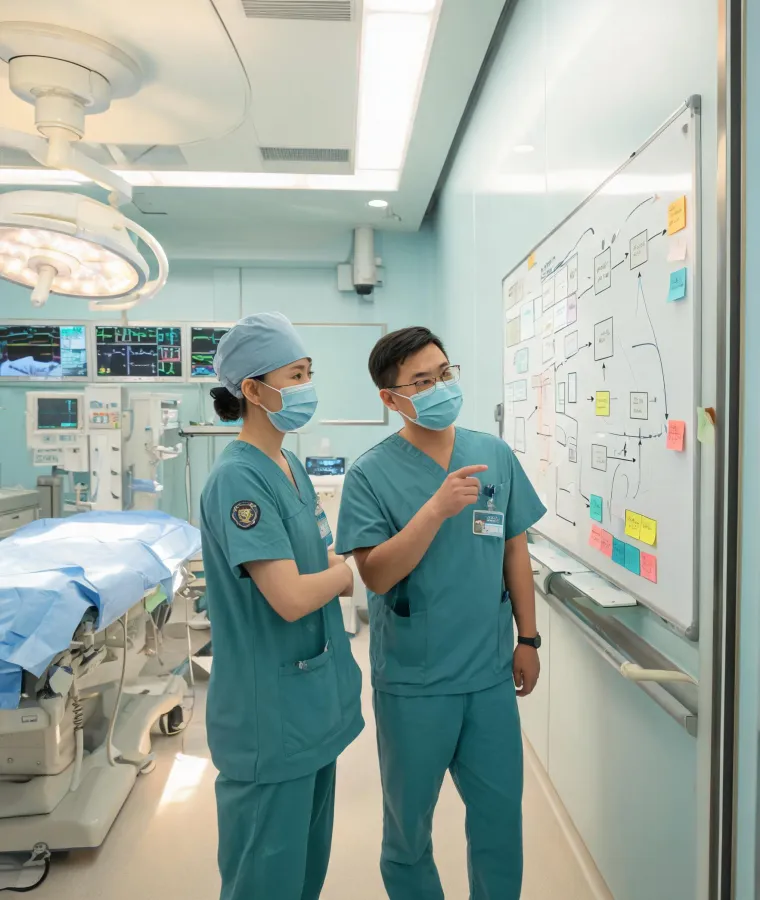
Our point of view is simple: a surgical device is only one part of a controlled pathway that includes evaluation, training, inventory, reprocessing, service, surveillance, and retirement.
Hospital teams rarely evaluate a device in isolation. Surgeons assess performance and ergonomics. Nursing teams test setup and turnover. Sterile processing verifies cleaning and cycle compatibility. Biomed examines maintenance and repair. Procurement models terms, utilization, and supply continuity.
Conmed organizes the conversation around those interfaces. The result is a clearer record of what was reviewed, what remains conditional, who owns the next action, and which document controls use.
“A reliable surgical program is built at the handoffs—not merely at the point of activation.”Conmed operating principle
Start with indication, case mix, users, and current workflow.
Use current labeling, traceable revisions, and named owners.
Model downtime, escalation, parts, and training before purchase.
Separate observed findings, assumptions, and open questions.

Preference cards, accessory par levels, backup plans, and competency checks reduce avoidable variation without pretending that every procedure is identical.
Asset records should link the serial or UDI, software baseline, PM interval, repair history, current instructions, and escalation contacts.


Setup, use, cleaning, troubleshooting, complaint reporting, and procurement controls require different depth, records, and renewal points.
Share your clinical setting, procedure family, and current workflow constraint.